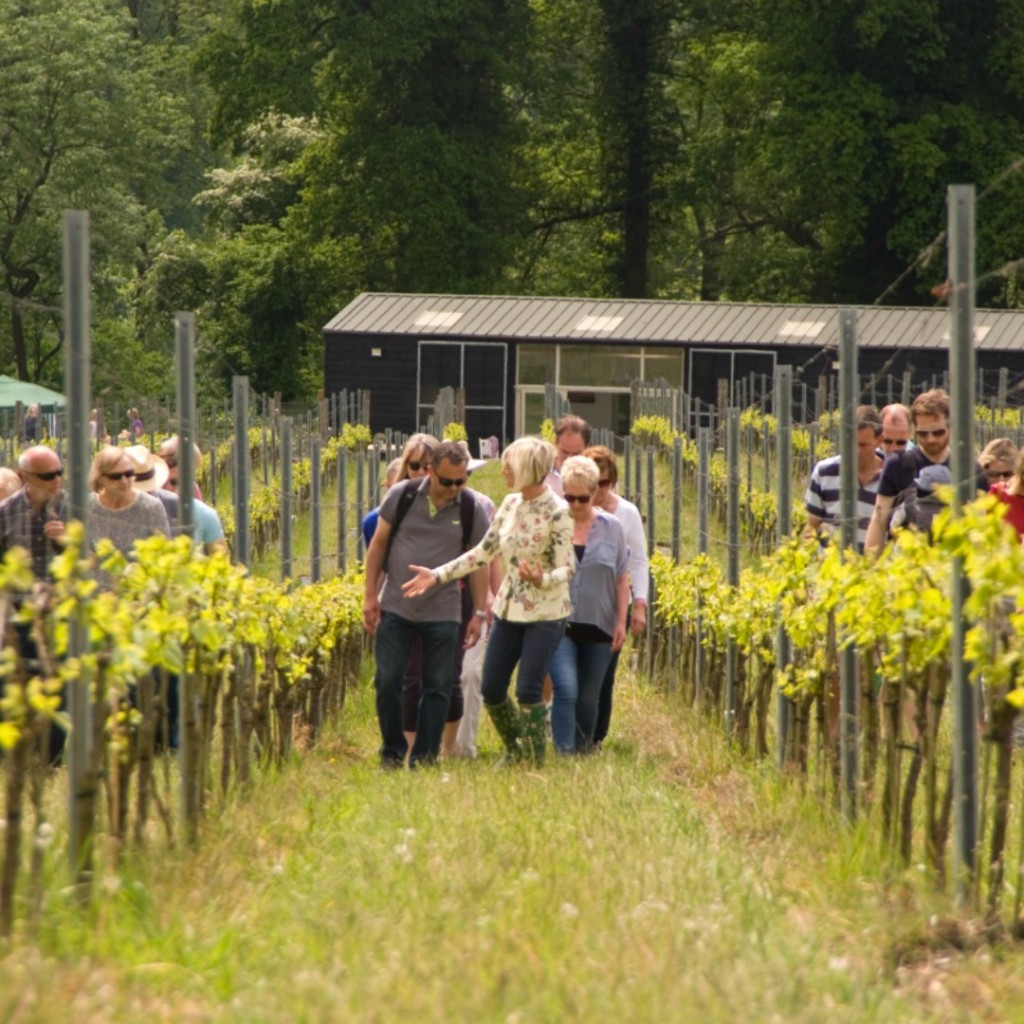
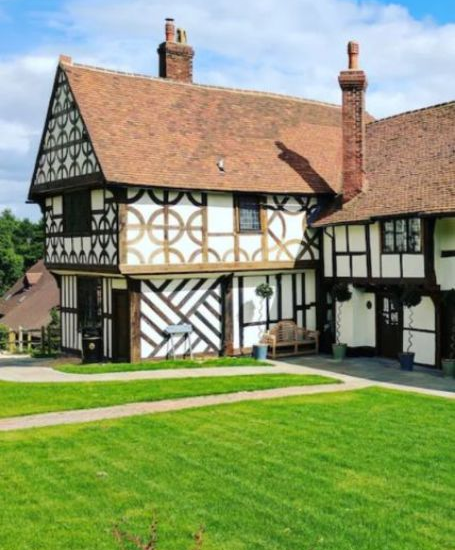
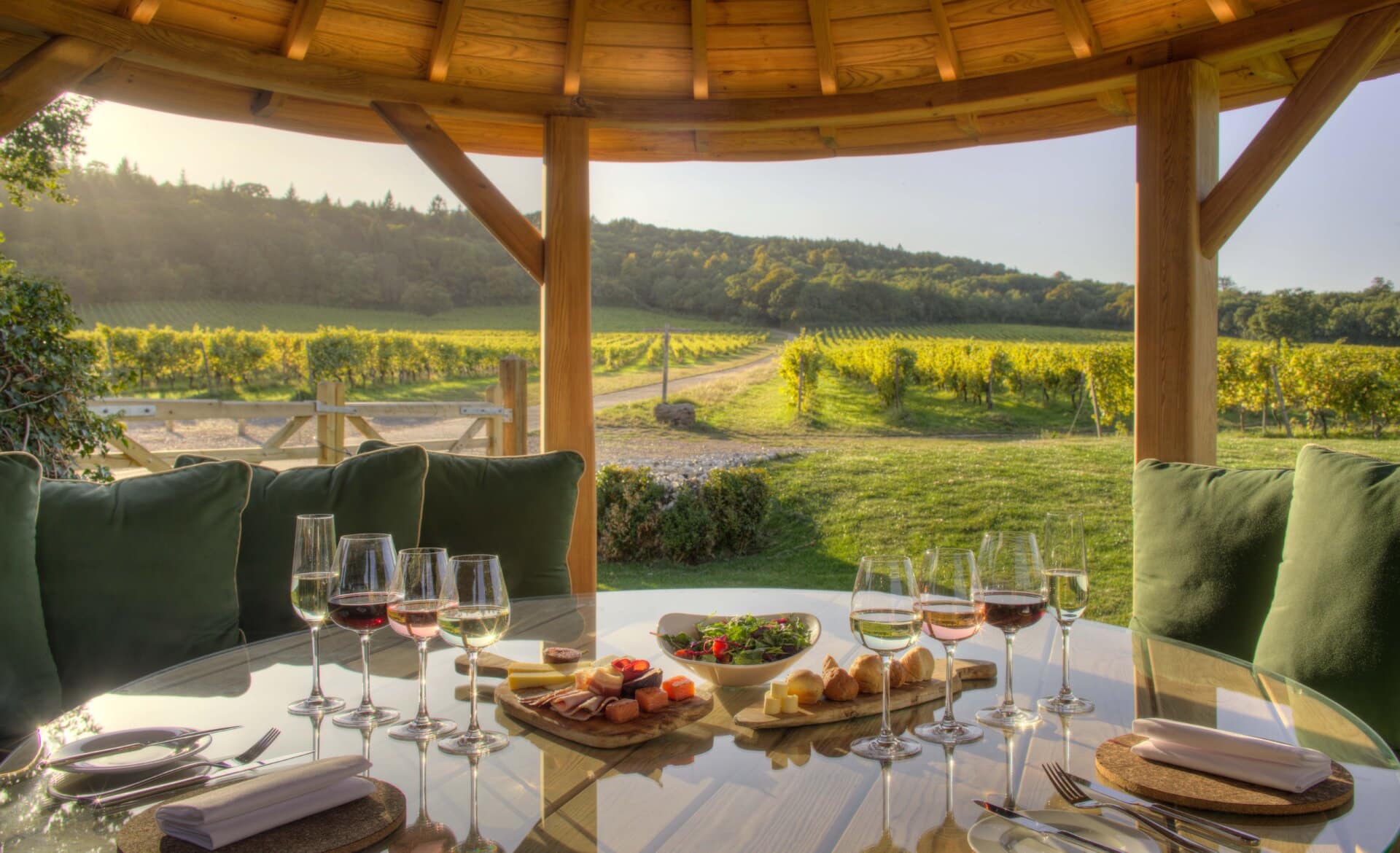
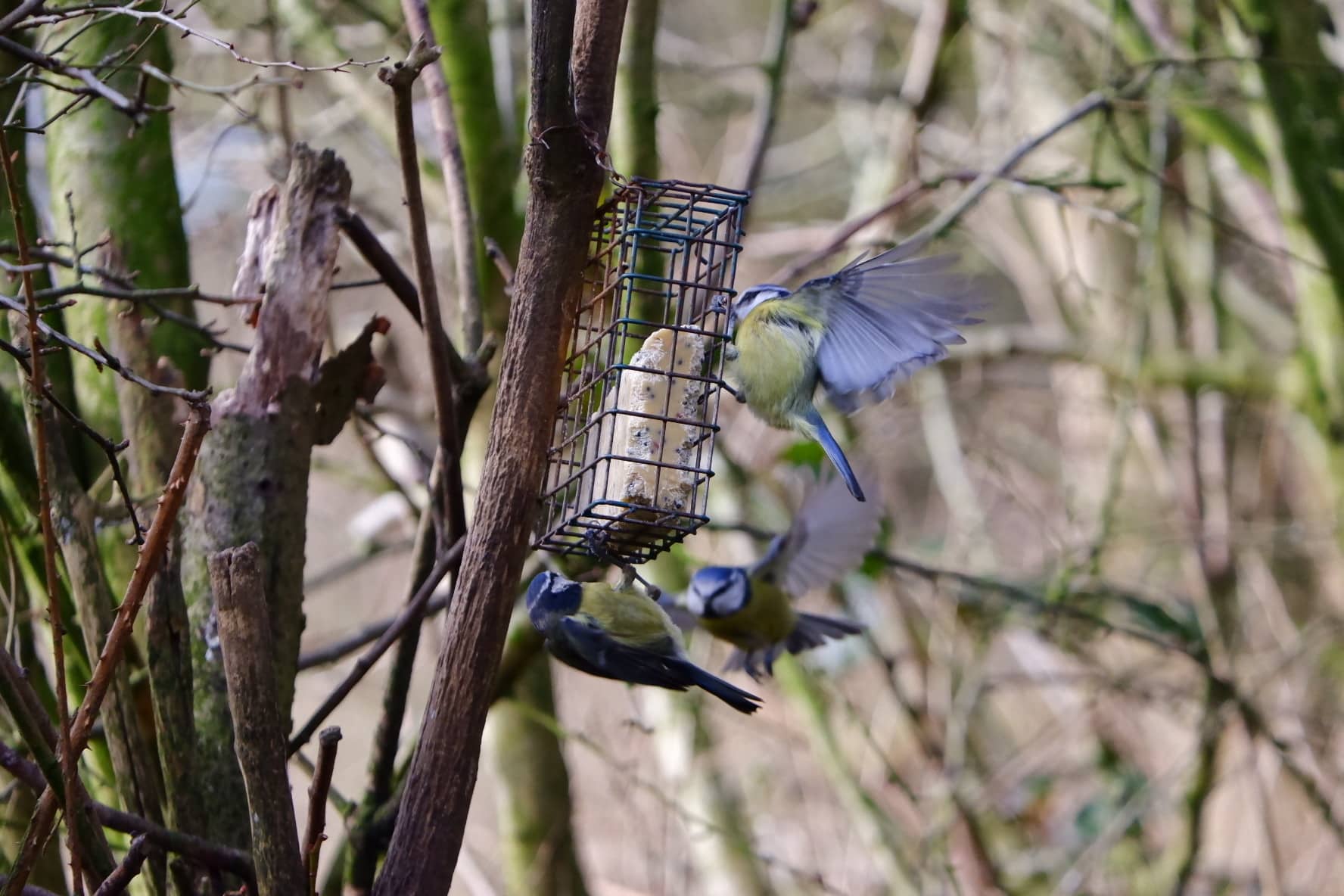
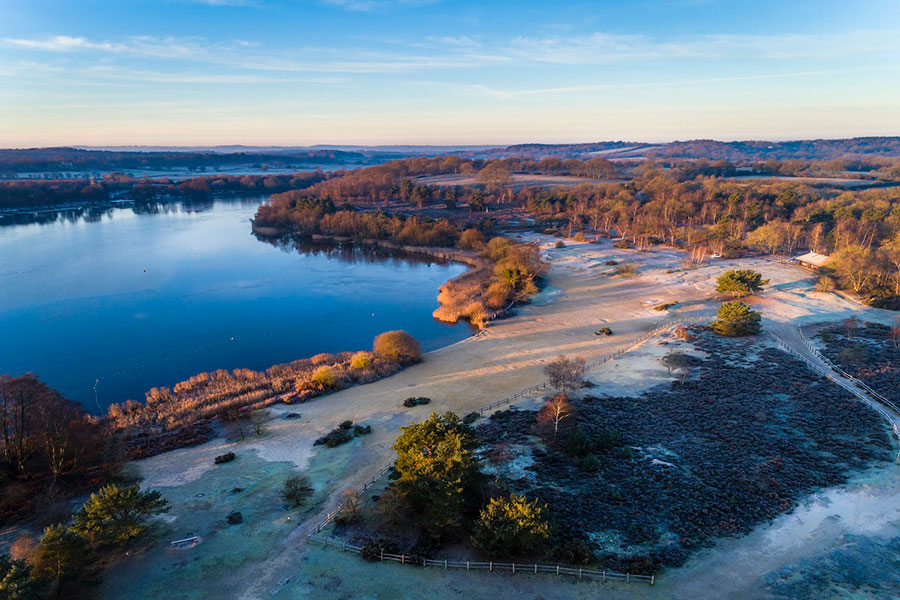
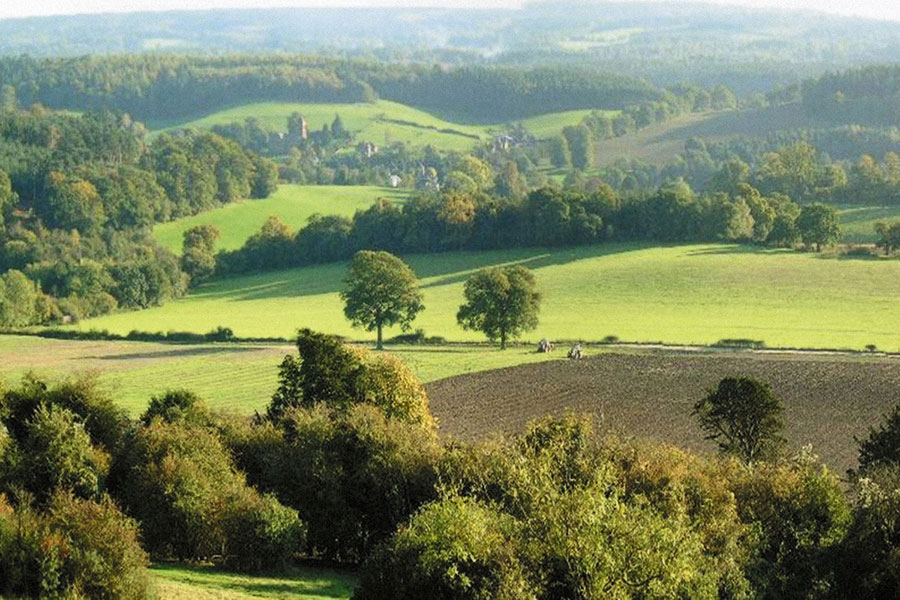
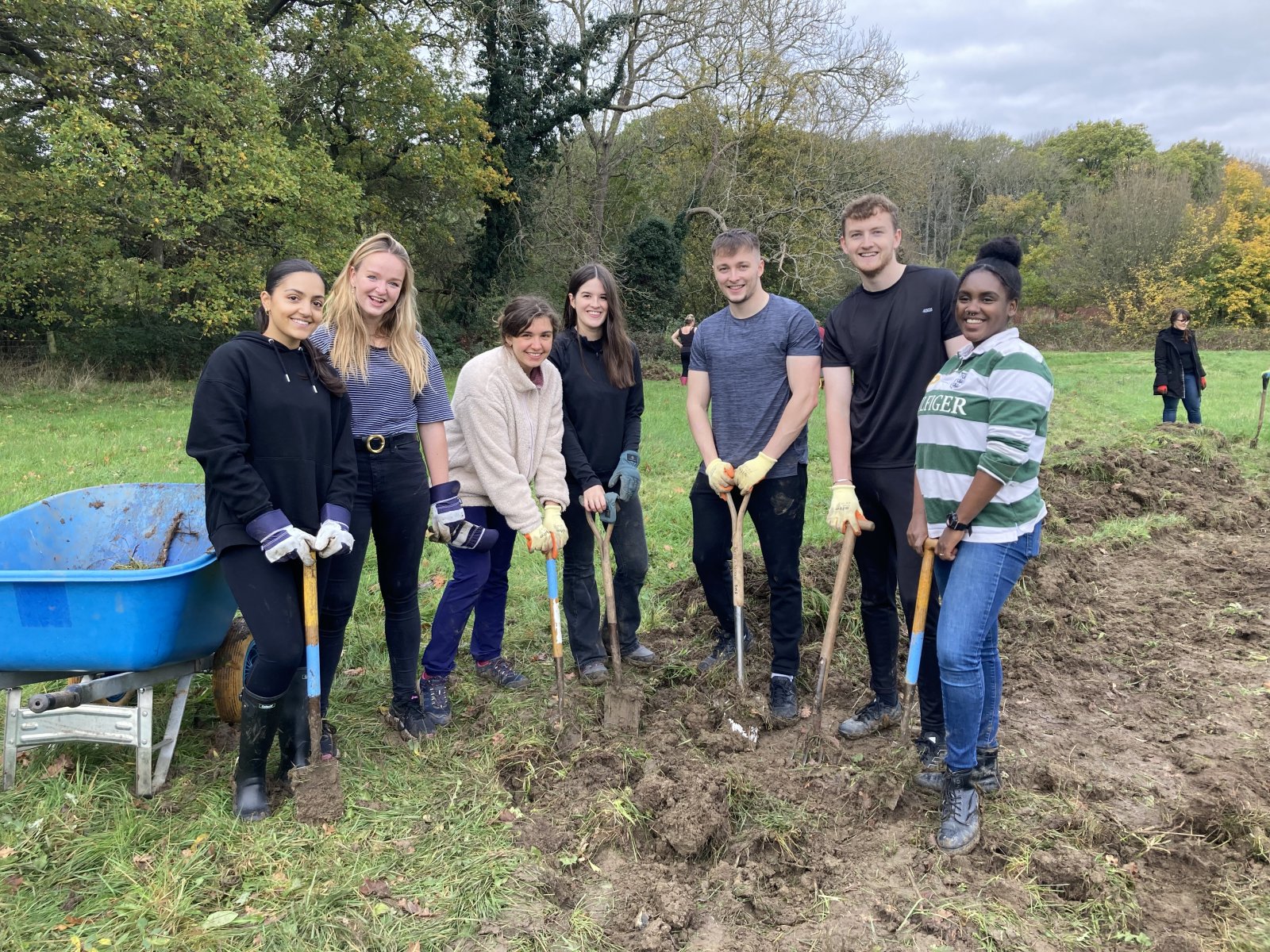
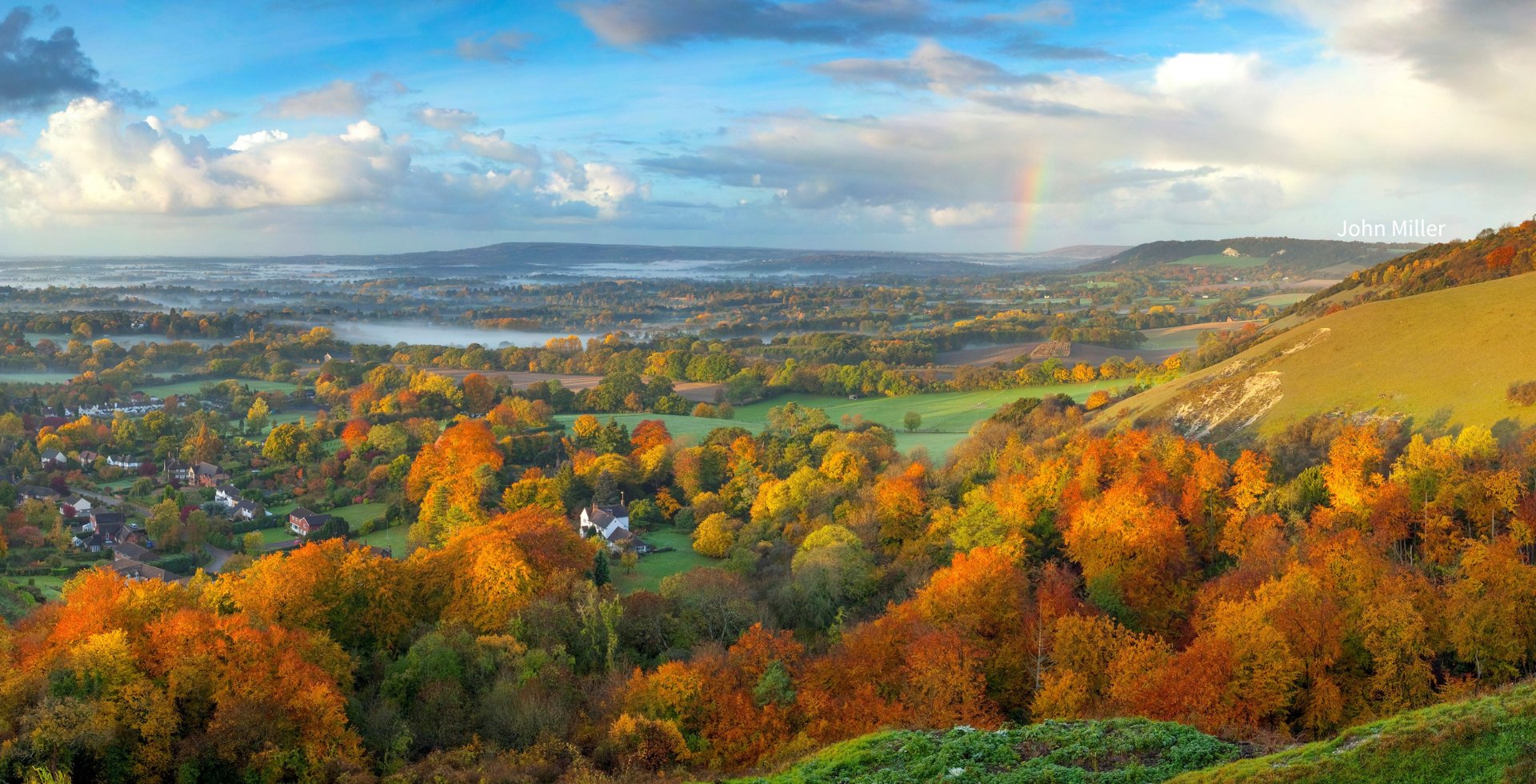
The Green Belt covers nearly 13% of England, significant not only because of its extent, but because it provides both a breath of fresh air for the 30 million people living in or near to our largest towns and cities. Green Belt land faces many challenges. It is expected to meet diverse and often conflicting needs, and attracts considerable scrutiny due to the planning controls which govern it and the urban pressures which it faces.
The original purpose of Green Belt is clear. It was introduced 60 years ago to protect the countryside from urban sprawl and to retain the character and vitality of cities. For this purpose, which remains fundamental, it has been highly effective. Subsequently, objectives for the use of land once designated as Green Belt were introduced to planning policy in 1995. These were set to provide recreation and attractive landscapes, to improve damaged and derelict land, to secure nature conservation and to retain farming and forestry.
Natural England and the Campaign to Protect Rural England (CPRE) have put together a report on the future of the Green Belt. Click here to read the report.